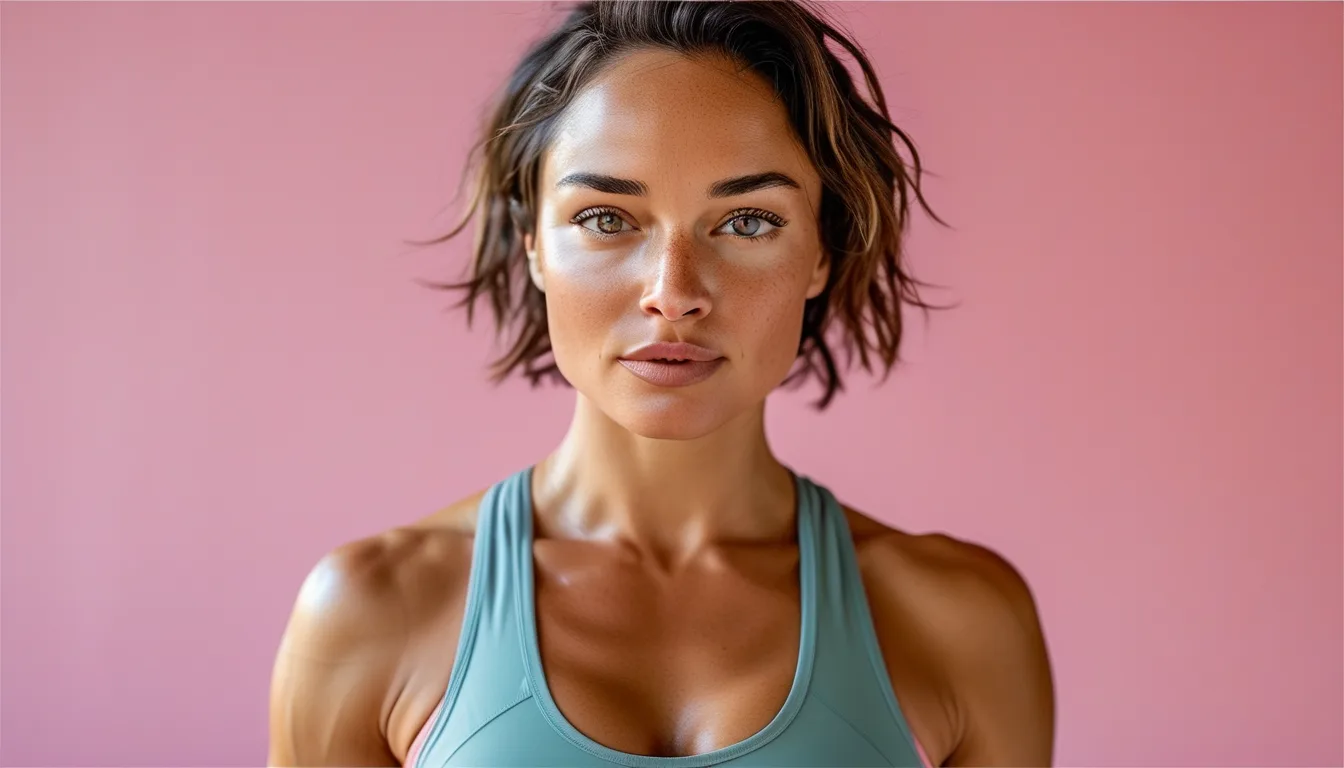
Why Your Skort Feels Great in the Studio but Sticky Outdoors
Quick Answer: Studio skorts often use heavier, four-way stretch fabric for shape retention, which traps heat outdoors — a lighter, more breathable blend is the fix for summer wear.
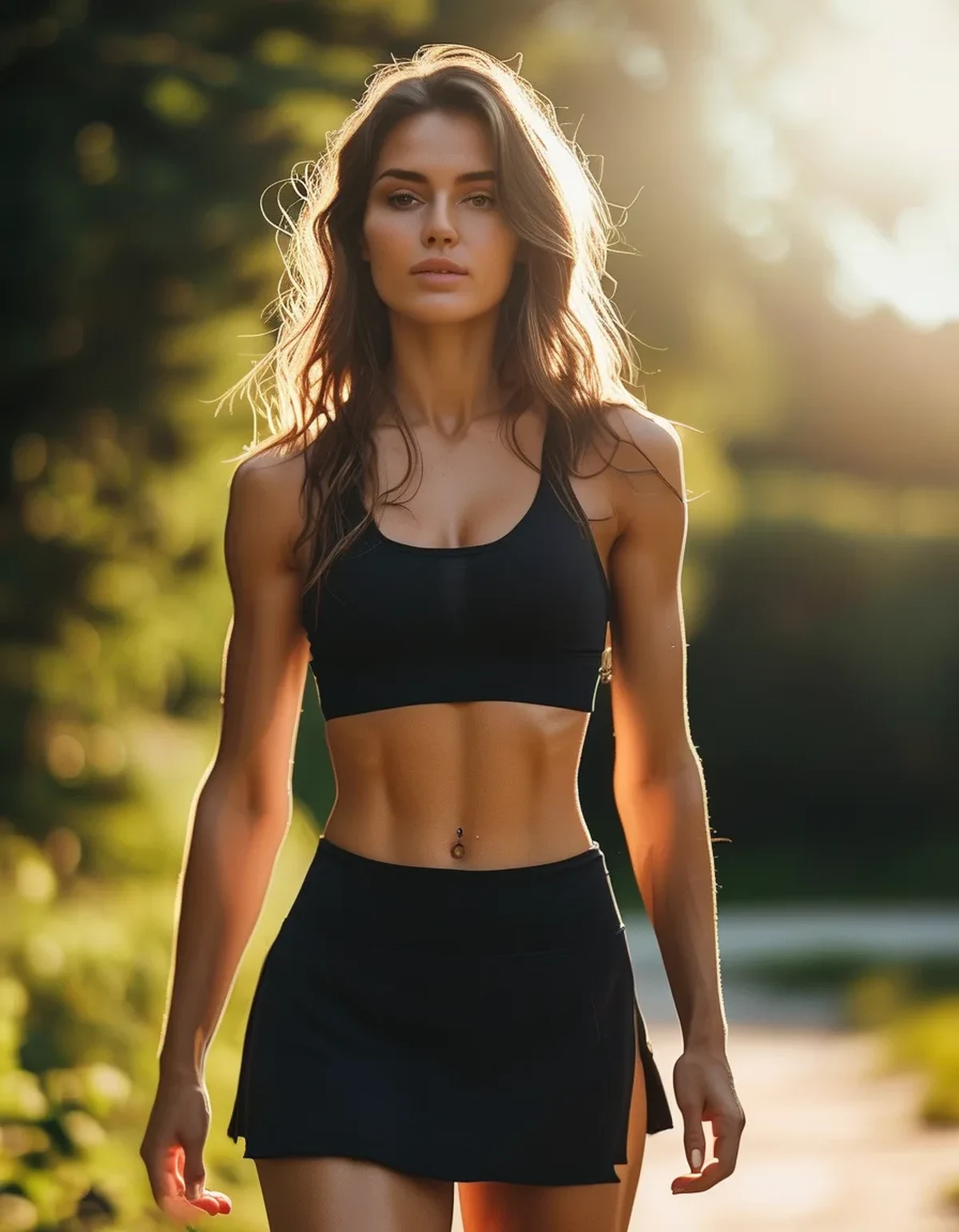
The skort that felt perfect in your air-conditioned Pilates class turns into a heat trap the second you take it for a walk at noon.
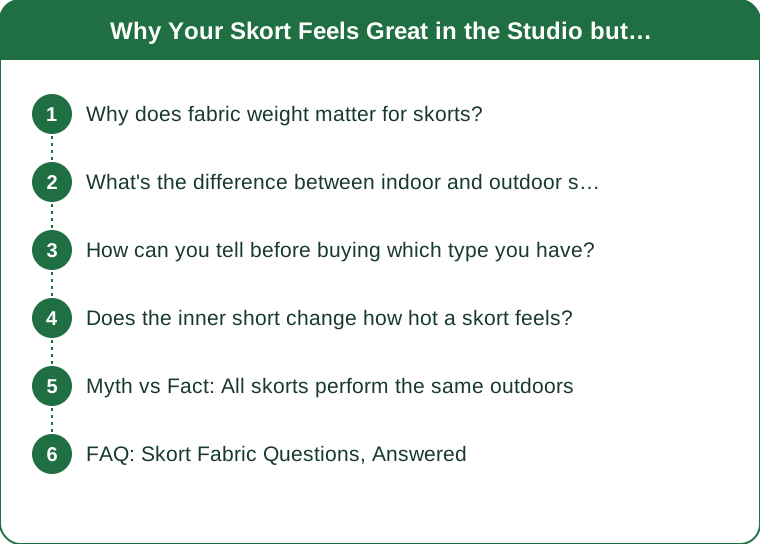
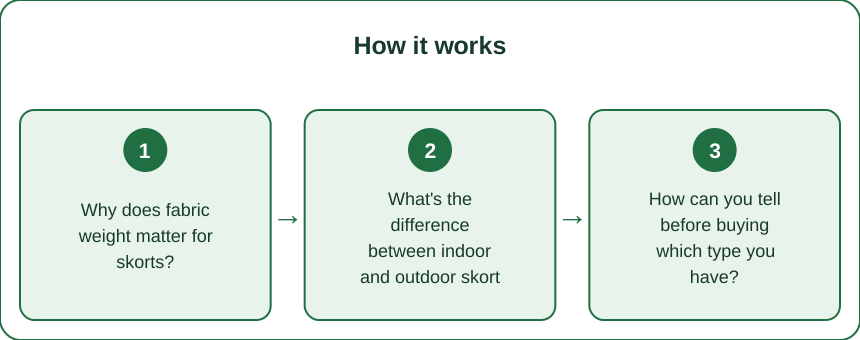
Why does fabric weight matter for skorts?
Heavier fabrics (often 250-280 gsm) hold their shape better and smooth the silhouette, which is exactly why studio-focused brands favor them — but that same density traps body heat once you’re moving outdoors in direct sun. Lighter fabrics (180-220 gsm) breathe better and dry faster but can feel less structured for low-movement activities like a barre class.
What’s the difference between indoor and outdoor skort fabric?
Indoor-oriented skorts often prioritize compression and a smooth, no-see-through finish since studio lighting is unforgiving. Outdoor-oriented skorts tend to use moisture-wicking mesh panels, especially around the inner short and waistband, because sweat evaporation matters more than visual smoothness when you’re in direct heat.
How can you tell before buying which type you have?
Check the fabric composition on the tag: a higher percentage of spandex (18-22%) with a tighter knit usually signals a studio-oriented, heavier fabric, while blends closer to 10-15% spandex with visible mesh venting panels are built for outdoor heat management. Brands rarely advertise this distinction directly, so the tag is more reliable than the marketing copy.
Does the inner short change how hot a skort feels?
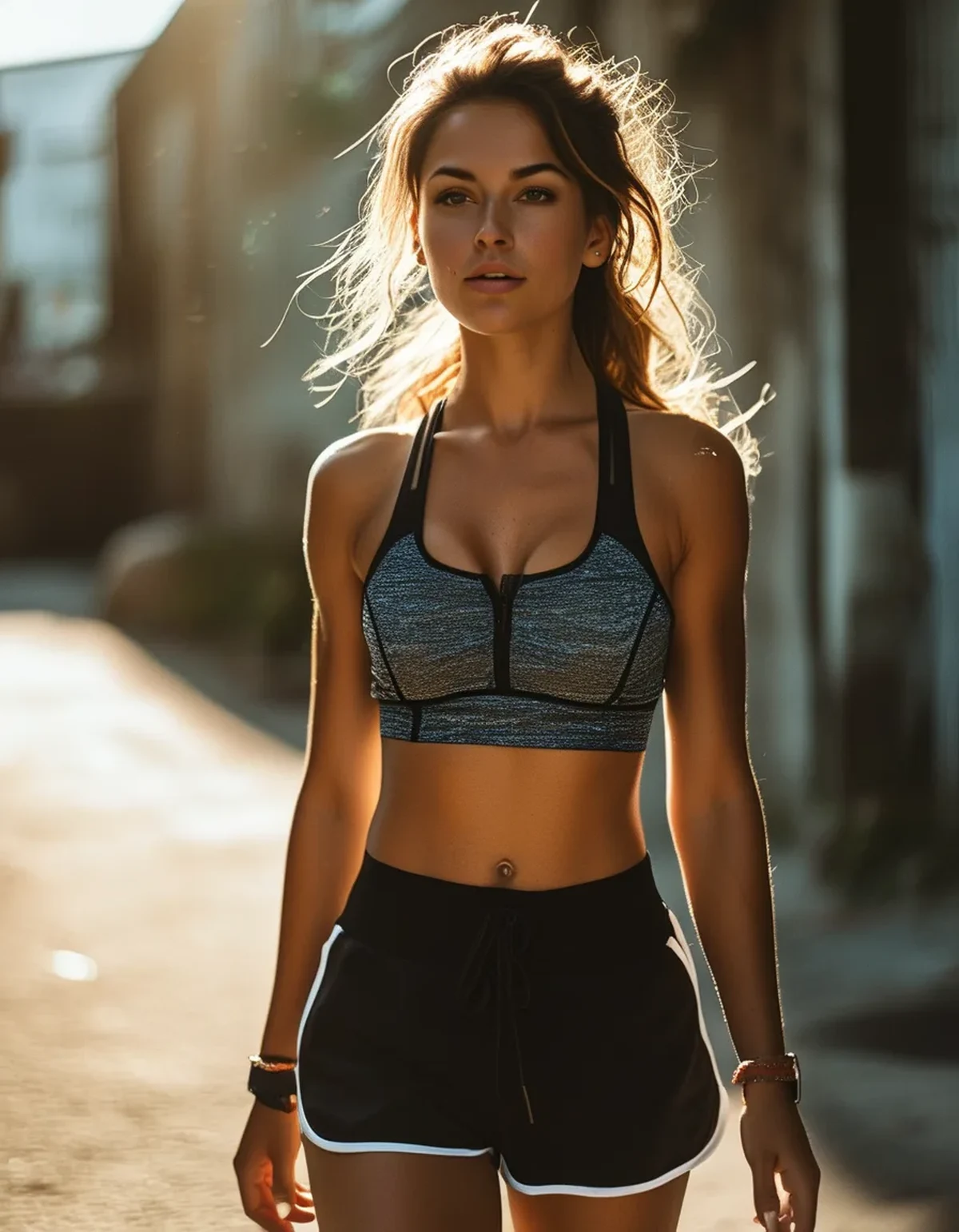
Yes — a compression-style inner short adds another layer of fabric against your skin, which is great for chafing prevention but adds heat. Some outdoor-focused skorts use a looser, mesh-lined inner short instead, trading a little bit of smoothing for meaningfully better airflow.
Myth vs Fact: All skorts perform the same outdoors
Myth: if it’s activewear, it’s built for any activity. Fact: a skort engineered for indoor barre or Pilates studios is optimized for shape and smoothness under bright, controlled lighting — not for heat dissipation in full sun, which is why the exact same size and brand can feel completely different across settings.
FAQ: Skort Fabric Questions, Answered
Can I make a heavy skort work for outdoor summer wear?
Yes, if you size up slightly for airflow or choose a shorter length that reduces overall fabric coverage against your skin.
Is mesh paneling actually cooler or just a marketing feature?
Mesh paneling genuinely improves airflow at the panel location, particularly at the waistband and inner thigh, so it’s a real functional difference, not just styling.
Should I own separate skorts for studio and outdoor use?
If you regularly do both, yes — most people who train across settings end up with at least one of each fabric weight.
TL;DR:
- Heavier studio fabric traps heat outdoors — that’s the sticky feeling
- Check the tag’s spandex percentage and mesh paneling, not just the brand name
- Inner short style changes airflow more than people expect
- Consider owning one studio-weight and one outdoor-weight skort
If your studio skort feels great inside but sticky outside, it’s not you — it’s the fabric doing exactly what it was designed for, just in the wrong setting.
See It in Motion
Seen here: UPF 50+ Adjustable A-Line Running Skort with Pockets — shop it on bubblelime.com
Keep Reading
This article is for general informational and styling purposes only. Fit, sizing, and product availability may vary.