Why the Inner Short Layer of a Skort Can Ride Up More Than a Standalone Pair of Shorts Would
A skort’s inner short layer can end up bunched noticeably higher after a set of tennis or a quick sprint than a standalone pair of shorts ever would in the same activity, and that’s not a sizing mistake — it’s a structural side effect of having two separate fabric layers that don’t always move as one connected piece.

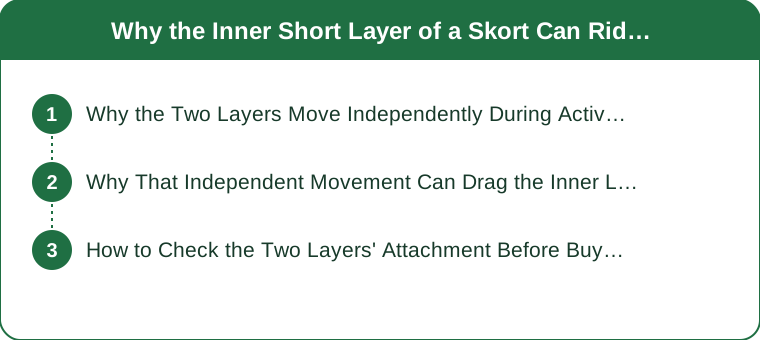
Why the Two Layers Move Independently During Activity
The structure: a-skorts-outer-skirt-panel-and-inner-short-are-often-attached-only-at-the-waistband-allowing-the-two-layers-to-shift-and-move-somewhat-independently-during-activity (a skort’s outer skirt panel and its inner short layer often being attached to each other only at the waistband, allowing the two separate layers to shift and move somewhat independently of each other during any real physical activity, per the skort-complete-guide logic — a-skorts-outer-skirt-panel-and-its-inner-short-layer-often-being-attached-to-each-other-only-at-the-waistband-allowing-the-two-separate-layers-to-shift-and-move-somewhat-independently-of-each-other-during-any-real-physical-activity), and the reframe (two layers joined at one point, not fused as a single piece)).

Why That Independent Movement Can Drag the Inner Layer Upward
The drag: repeated-lunging-or-sprinting-motion-can-cause-the-looser-outer-skirt-to-shift-and-pull-the-attached-waistband-in-a-way-that-drags-the-inner-short-layer-upward-over-time (repeated lunging or sprinting motion causing the looser-fitting outer skirt panel to shift and subtly pull on their shared waistband attachment, in a way that gradually drags the inner short layer upward over the course of an activity session, per the-two-layer-purpose-guide logic — repeated-lunging-or-sprinting-motion-causing-the-looser-fitting-outer-skirt-panel-to-shift-and-subtly-pull-on-their-shared-waistband-attachment-in-a-way-that-gradually-drags-the-inner-short-layer-upward-over-the-course-of-an-activity-session), and the frame (movement in one layer transmitting force to the other through their single shared connection point)).
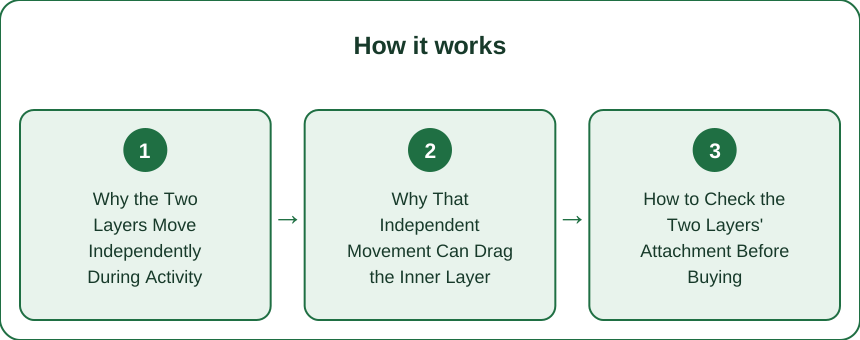
How to Check the Two Layers’ Attachment Before Buying
The check: look-for-a-skort-with-additional-attachment-points-beyond-just-the-waistband-such-as-side-tacking-that-keeps-the-inner-short-anchored-relative-to-the-outer-skirt (looking specifically for a skort with additional attachment points beyond just the waistband, such as side tacking or a partial inner seam connection, that keeps the inner short more firmly anchored relative to the outer skirt during movement, per the skort-activities-guide logic — looking-specifically-for-a-skort-with-additional-attachment-points-beyond-just-the-waistband-such-as-side-tacking-or-a-partial-inner-seam-connection-that-keeps-the-inner-short-more-firmly-anchored-relative-to-the-outer-skirt-during-movement), and the frame (checking construction detail instead of assuming all two-layer skorts behave the same)).
A skort’s outer skirt panel and inner short layer are often attached to each other only at the waistband, letting the two pieces shift somewhat independently during real activity, which is how repeated lunging or sprinting can gradually drag the inner layer upward through that single shared connection point. Looking for a skort with additional attachment points beyond the waistband, like side tacking, keeps the inner short more firmly anchored during movement instead of assuming every two-layer skort behaves the same way.
See It in Motion
Seen here: UPF 50+ Adjustable A-Line Running Skort with Pockets — shop it on bubblelime.com
Keep Reading
This article is for general informational and styling purposes only. Fit, sizing, and product availability may vary.